

What Makes Roofing Materials Durable in Glens Falls, NY?
Durability in roofing depends on how long a material can withstand the region’s natural forces without needing significant repairs or replacement. For Glens Falls, the most important factors are heavy winter snow, freeze-thaw cycles, summer storms, and the occasional ice dam. A durable roof in this area is one that handles moisture well, resists wind uplift, and isn’t quickly worn down by seasonal temperature shifts.
Which Roofing Types Are Considered Most Durable?
Some roofing materials naturally outlast others, especially under the varied weather experienced by local households. The following are widely recognized for their resilience:
Metal Roofing
Metal—particularly standing seam steel or aluminum—lasts 40 to 70 years or more, often outliving other options in Glens Falls. It resists snow, prevents ice dams with proper install, and stands up to wind gusts. Metal panels are non-porous, repelling moisture and minimizing the risk of leaks or mold after storms.
- Metal doesn’t lose its integrity with repeated freeze-thaw cycles.
- Snow slides off more easily, helping prevent excess weight.
- Modern coatings protect against rust and fading.
Some residents hesitate due to myths about noise or lightning, but with solid attic insulation, most metal roofs are as quiet as other types.
Slate Roofing
True slate tiles are among the most robust options anywhere, capable of lasting over a century if properly maintained. Glens Falls is one of the rare regions where slate can be viable due to the presence of older homes with structures strong enough to bear its weight.
- Slate is naturally fireproof, freeze-thaw resistant, and nearly impervious to rot.
- The weight requires specialized support—retrofitting may not be practical for all homes.
- Repairs should use matching slate and knowledge of historic methods.
Slate’s main drawbacks include cost, weight, and repair complexity if tiles are damaged by falling limbs or shifting rafters.
Clay and Concrete Tiles
While less common in this region than in warmer, drier climates, both clay and concrete tiles are becoming more visible in custom or renovated homes. Their life expectancy often exceeds 50 years. They resist insects, rot, and fire, but extra care is needed in winter:
- Concrete or tile is heavy, needing a strong roof framing.
- Tiles can crack if struck or walked on in cold weather.
- Professional snow removal may be necessary during extreme winters.
Architectural Asphalt Shingles
Thicker, fiberglass-based “architectural” or “dimensional” asphalt shingles have a layered construction that improves lifespan dramatically compared to traditional 3-tab shingles. While not as long-lived as metal or slate, high-quality versions can reach 30-40 years.
- Better wind and impact resistance than older shingle styles.
- Effective warranties typically reflect improved durability.
- Widely accepted by insurance and HOA rules in the area.
Standard 3-tab asphalt, by contrast, may only last 15-20 years due to winter weather and sun exposure.
How Does the Local Climate Affect Roofing Lifespan?
Glens Falls experiences significant snow accumulation, cycles of melting and refreezing, and summer hail or wind squalls. These conditions can cause:
- Shingles to curl or split from repeated ice and sun exposure.
- Poorly ventilated roofs to develop ice dams, leading to leaks.
- Weaker fasteners or seams to fail in high winds.
Materials that are freeze-thaw stable, have interlocking or overlapping designs, and include robust underlayment tend to perform best for area households.
Are There Lesser-Known Factors That Shorten Roof Lifespan?
Even the most durable material can deteriorate early if certain conditions are overlooked:
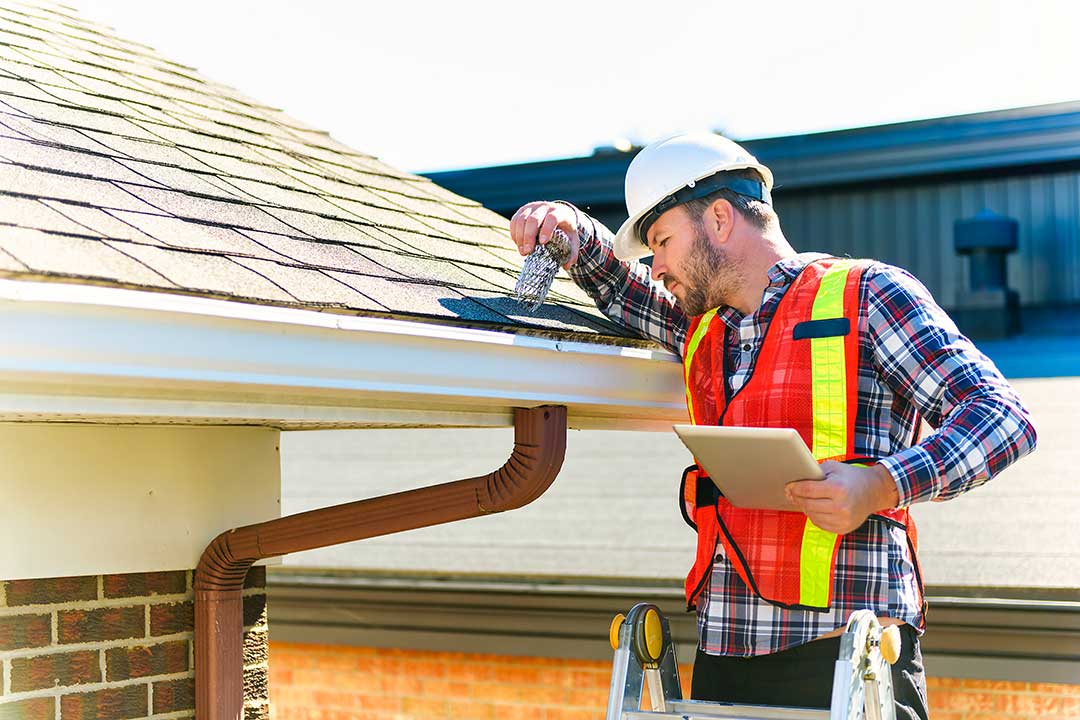
- Improper installation, such as nails driven too high or flashing left incomplete, creates entry points for water.
- Lack of attic ventilation can trap moisture, accelerating rot or encouraging mold.
- Overhanging trees lead to limbs scraping shingles or tiles, and deposited leaves trap moisture.
- Gutters not cleared regularly allow water to back up beneath the roofing.
Routine maintenance and professional evaluations (especially after extreme storms) support the full lifespan of any roofing system.
What Misconceptions Exist About Durable Roofing?
A few common misunderstandings can influence roofing choices in the region:
- “Metal attracts lightning.” In reality, metal roofing doesn’t increase the risk and is non-combustible if lightning strikes nearby.
- “Slate or tile is only for luxury homes.” Older homes in Glens Falls occasionally use slate, and newer engineered tiles can sometimes replicate durability at lower weight and cost.
- “A longer warranty means a longer lifespan.” Warranty duration often covers manufacturing defects, not real-world wear or installation issues. Material quality and installation expertise are the bigger factors.
How Should Local Homeowners Prioritize Cost Versus Longevity?
The most robust roofing typically involves higher initial investment, but lower upkeep and replacement costs over time. Metal, slate, and tile require more up front, but over 50 or more years, can be more cost-effective than replacing standard asphalt shingles two or three times.
When choosing, consider:
- Age and structure of the existing home
- Frequency and duration of ownership (short-term vs. generational)
- Neighborhood guidelines or visual preferences
- Local trends in snow loads and wind conditions
In many cases, a high-quality asphalt shingle with added impact and wind protection may be a practical middle ground for local households weighing budget versus longevity.
Which Roofing Materials Handle Ice and Snow the Best?
Metal roofing generally sheds snow most quickly and resists ice dams when paired with good insulation and a weatherproof underlayment. Architectural shingles, slate, and tile can perform well, but special attention to ventilation and flashing details is crucial to prevent moisture issues. Roof style (steep pitch vs. low slope) also makes a significant difference for snow management in the city.
What Should Local Households Remember About Roof Replacement Timing?
Delaying replacement beyond the functional life of any roof type allows hidden leaks to cause structural damage. It is often more cost-effective to proactively replace aging roofs, rather than making repeated repairs on materials past their prime. During with harsh winters and shifting temperatures, roofs maintained or upgraded with durability in mind are less likely to surprise area residents with unexpected problems.
