

How Does a Leaking Roof Cause Structural Damage?
A leaking roof can weaken the very framework of a home, from attic rafters to basement foundations. In Glens Falls, NY, climate factors like snow loads and seasonal freeze-thaw cycles make roof leaks especially hazardous, speeding up the rate at which water can impact wooden beams, insulation, walls, and more.
Even a small leak can gradually undermine the structures that support a house. Water seeps along beams, drips behind siding, and is absorbed into drywall, allowing rot and mold to take hold. Over time, this can threaten a home’s safety and value.
What Are the First Signs That a Roof Leak Is Affecting the Structure?
The earliest evidence is sometimes subtle, especially in older homes common in Glens Falls. Look for these warning signs:
- Sagging or stained ceilings
- Peeling paint or unusual dampness along upper walls
- Visible mold or mildew on wood, insulation, or attic joists
- Musty odors in rooms below the attic
- Damp or rotting wood in the attic or eaves
These clues often appear long before obvious dripping or interior puddles. Homeowners might first notice faint discoloration after heavy rain, or a soft spot in the ceiling while cleaning cobwebs. In homes with unfinished attics—frequent in the area—damage is sometimes spotted around vent pipes or chimney bases.
Which Parts of a Home Are Most Vulnerable?
While every building is different, Glens Falls’s seasonal weather exposes certain areas to higher risk:
- Roof Decking and Rafters: Persistent leaks saturate wooden structural supports, leading to rot and eventual collapse if left untreated.
- Wall Cavities: Water runs down inside walls, weakening framing and insulation. In winter, freezing water expands, damaging materials even further.
- Ceilings and Plaster: Lath and plaster ceilings, still found in many older local homes, can deteriorate rapidly after repeated wetting.
- Basements and Foundations: Over time, roof leaks can seep down through interior walls or exterior cladding, increasing moisture in basements and contributing to foundation cracking.
How Does a Leaking Roof Lead to Mold Growth and Wood Rot?
Rainwater or melting snow entering through roof leaks creates ideal conditions for mold. Mold spores only need a damp surface and mild temperatures to grow—conditions often present in attics or wall cavities after a leak.
Over weeks or months, consistent exposure to moisture softens wood fibers, attracting fungi that cause rot. In Glens Falls, storm-driven rain or ice dams can create repeated wet-dry cycles that speed up this decay. Once wood rot begins, structural beams and joists lose strength, which could result in noticeable sagging or warping over time.
Can a Leaking Roof Damage Electrical and Insulation Systems?
Yes—moisture from leaks often finds paths to electrical wiring, outlets, and fixtures located in attic spaces or behind walls. This can lead to corrosion or, in serious cases, short-circuiting and fire hazards. Insulation materials, whether fiberglass batts or blown-in types, quickly lose effectiveness when wet, leading to drafty rooms and higher energy bills. In local winters, reduced insulation can make rooms colder and increase ice buildup on roofs.
How Quickly Should Residents Address a Roof Leak?
Structural damage from a leak can start almost immediately and worsen over weeks to months. In the Glens Falls region, freeze-thaw cycles intensify the stress on wet building materials. If left for one or more seasons:
- Wooden roof components may sag, split, or collapse
- Wall and attic cavities may fill with hidden mold growth
- Foundations can develop moisture or frost cracks
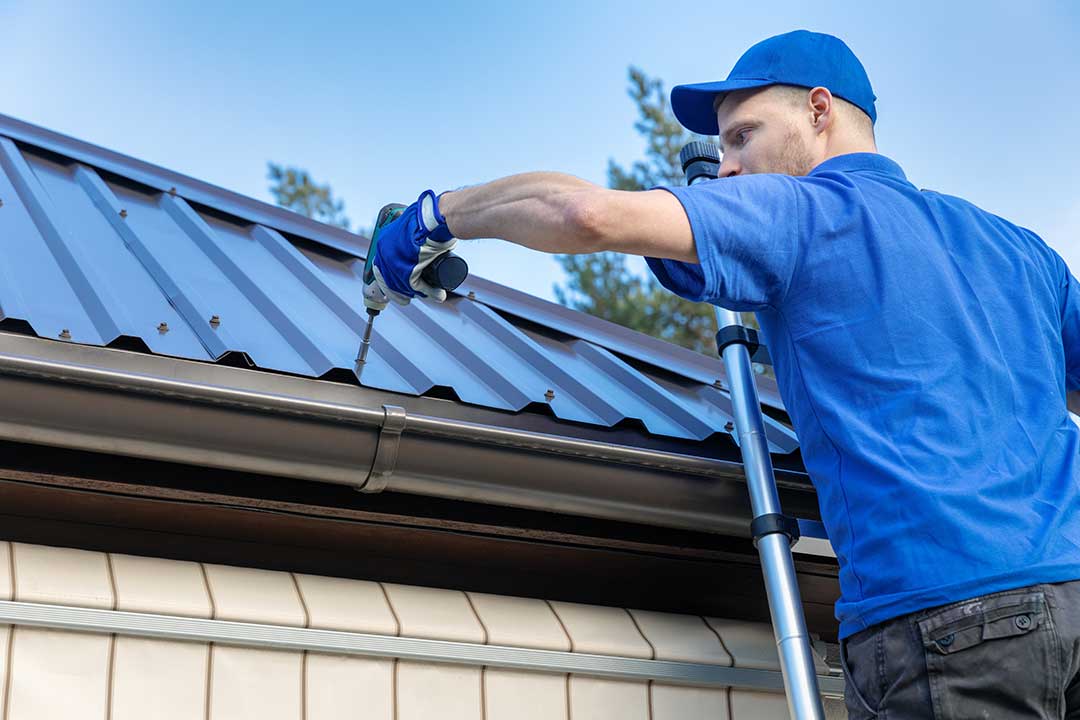
The longer a leak goes unaddressed, the more difficult (and costly) repairs become. Early detection and quick action are key to preventing long-term harm.
Are There Local Climate Factors That Make Leaks More Dangerous?
Yes, the community’s climate plays a significant role in the progression of roof damage:
- Heavy Snow Loads: Roofs in Glens Falls often bear substantial snow, which can drive water under shingles when it melts.
- Ice Dams in Winter: Blocked gutters and insufficient attic insulation cause ice dams, promoting leaks and concentrated water intrusion.
- Wind-Driven Rain: Strong storms can push rain into small cracks or under loose shingles, especially on steep or older roofs.
These conditions mean area homes can experience repeated, seasonally driven water exposure, even when leaks seem minor.
What Are Common Misconceptions About Roof Leaks and Structural Damage?
Many assume a “minor” leak is just a nuisance, but even small amounts of water can gradually disrupt the integrity of floors, joists, and walls. Another misconception is that roof leaks are only a risk during rainy seasons; however, melted snow or ice can be just as destructive during winter thaws.
Some homeowners falsely believe that interior water stains will appear immediately after a leak begins. In reality, it can take months of slow seepage before visible signs appear, and by then, significant structural damage may already exist.
How Can Residents Reduce the Risk of Structural Issues from Leaks?
Routine attention to roof maintenance is a homeowner’s strongest defense. Steps that help include:
- Checking attics and ceilings for early moisture signs after seasonal storms or melts
- Keeping gutters clear to reduce ice dams and water pooling at the roof edge
- Attending to missing shingles, flashing failures, or visible roof damage before winter arrives
Repair work that involves electrical wiring or significant structural repair should be performed safely and according to local building codes.
