

Can Sports Balls Really Damage Roofs in Glens Falls, NY?
Yes, sports balls can cause real and sometimes costly issues for residential roofs throughout Glens Falls, NY. While a ball landing on a roof might seem harmless, the impact and repeated contact can affect roof surfaces, gutter systems, and even the longevity of roofing materials.
In neighborhoods where backyards are close together and children often play games like baseball, football, soccer, or basketball, lost balls are a routine sight on residential rooftops. The risks and consequences are easily overlooked, but area homeowners should be aware of what can happen and how to prevent it.
What Happens When a Ball Hits the Roof?
A single, lightweight ball likely won't shatter shingles, but the type of ball, the force involved, and repetition come into play. Here’s a breakdown of potential effects:
- Dislodging or Cracking Shingles: Heavier balls, like basketballs or baseballs, can loosen or even crack asphalt shingles, especially if the impact is hard or repeated in the same spot. Over time, this weakens the roof’s water protection.
- Knocking Granules Loose: Asphalt shingles are covered in granules that shield them from UV rays and harsh weather. Balls can knock these granules off, reducing shingle lifespan and leading to faster aging or leaks.
- Dent and Scratch Marks: Metal roofs or aluminum flashing can suffer dents or scratches from errant sports balls, which may encourage rust or corrosion.
- Punctured or Bent Gutters: If a ball strikes gutters at the roof edge, it can bend, dislodge, or even puncture them. Deformed gutters may no longer direct water away from the home, leading to drainage and foundation issues.
Though many impacts seem minor, the risks add up over seasons, especially in Glens Falls where freeze-thaw cycles and seasonal storms are common.
Why Do Glens Falls Roofs Face These Risks More Often?
In Glens Falls, residential lots often feature modest backyard space, with neighboring homes in close proximity. This layout means balls from games frequently end up on roofs during outdoor activities.
Local weather patterns amplify the problem:
- Winter snow and ice can hide already-damaged shingles, letting small cracks expand when water freezes and thaws.
- Autumn leaf fall may conceal balls striking the roof, masking visible damage.
- Rainy springs test a roof’s waterproof barrier, so even modest ball damage can turn into a leaking issue.
Additionally, older homes, especially those with aging asphalt shingles, are more susceptible to surface disruptions caused by toys or sports equipment.
Are Certain Types of Roofs or Balls at Higher Risk?
Some combinations are more likely to result in damage. Roof type and ball type matter:
Wood Shingles or Shakes:
- Vulnerable to cracking, splitting, and denting from larger balls.
Asphalt Shingles:
- Most common in Glens Falls.
- At risk for granule loss, chipping, and even minor punctures from baseballs and lacrosse balls.
Metal Roofs:
- More resistant but can be dented by baseballs, hockey pucks, or golf balls.
Flat Roofs (often present on garages or additions):
- Balls can collect on these surfaces and trap debris or water, stressing membranes and encouraging mold growth.
Riskier Sports Equipment:
- Baseballs, softballs, and lacrosse balls carry greater impact force.
- Basketballs may bounce and slide across the roof, causing widespread shingle wear.
- Soccer balls and footballs are less dense but can still dislodge granules or knock gutters.
Does Retrieving Balls Cause More Harm Than Good?
Yes, in some cases, the act of climbing onto a roof to grab a lost ball creates more serious hazards than the ball itself. Foot traffic can:
- Crack or dislodge shingles, especially if the roof is older, cold, or damp.
- Cause accidental slips and falls, particularly on steep or icy roof surfaces.
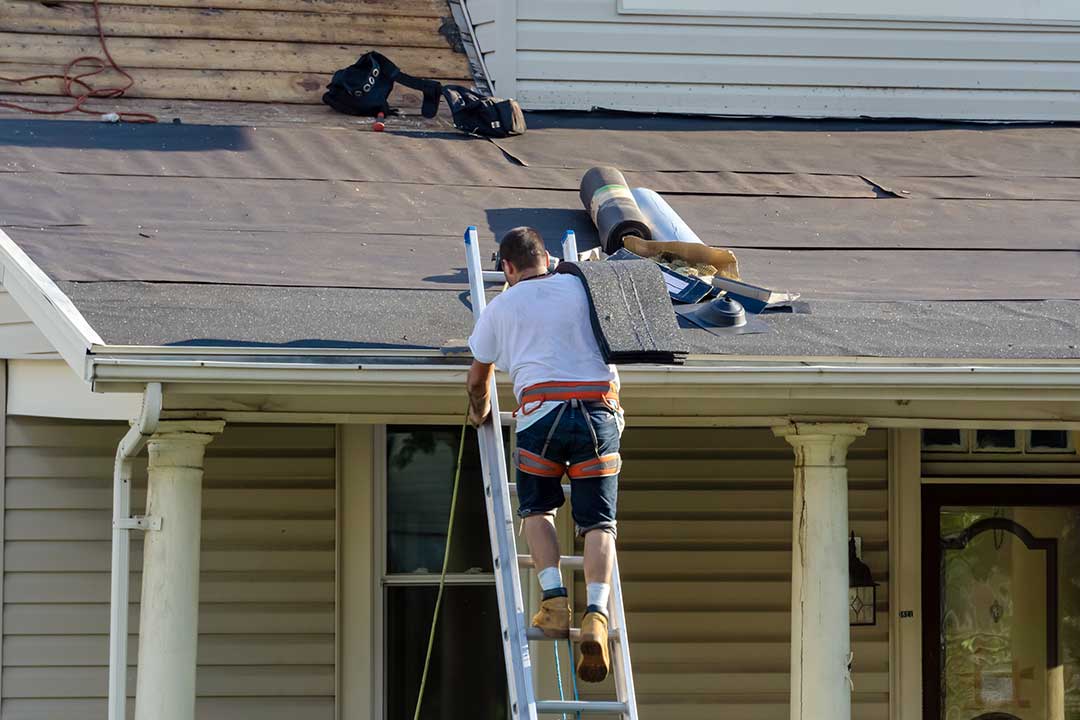
If a ball is harmlessly resting and causing no blockage, it's often safest to leave it until it can be retrieved using a long pole or from a safe ladder position.
What Problems Can Develop if Balls Stay on the Roof?
A sports ball won’t usually create a leak immediately, but leaving it on the roof can start bigger issues:
- Blocked Gutters and Downspouts: A lodged ball (especially combined with leaves or twigs) can clog water flow, leading to overflow, backed-up ice, or basement seepage during heavy rain or snowmelt.
- Water Pooling: Flat-roofed sections may collect balls in low spots, trapping moisture against the roofing—an invitation for mold or early membrane breakdown.
- Encouraging Animal Activity: Squirrels and birds may be attracted to objects stuck on a roof, sometimes leading to inquisitive damage as they try to dislodge or nest around balls.
Are There Ways Local Residents Can Reduce Roof Impact From Sports Balls?
Most solutions involve changes in home activity or setup, rather than the roof itself:
- Encourage playing sports in side yards, parks, or driveways when possible, rather than directly under roof edges.
- Install temporary nets, fences, or shrubs as barriers to intercept balls and keep them from flying onto the roof.
- Remind children not to intentionally throw or kick balls onto rooftops—many issues come from playful dares or trick shots.
- Routinely check the roof and gutters for objects when doing seasonal yard cleanup, especially after autumn games or spring thaw.
How Does Glens Falls’ Climate Affect Ball-Related Roof Damage?
Local climate factors play a major role in how minor roof damage adds up:
- Freeze/Thaw: Water seeps into any cracks made by balls, then freezes, expanding damage in colder months.
- Wind: Stormy weather can roll or bounce balls across roof surfaces, spreading the area of impact.
- Heavy Spring Rains: Even little leaks, caused by repeated ball strikes, can result in water entry once ice dams melt and heavy rains hit.
Residents should be aware that what seems like harmless play might have delayed effects, particularly during the long winters and wet springs typical of Glens Falls.
Should Minor Ball Damage Be Repaired Right Away?
Addressing minor issues promptly helps prolong a roof’s lifespan and prevents more serious repairs down the line. Small cracks, missing granules, or bent gutters caused by sports balls—if addressed before severe weather—are much less likely to result in leaks, rot, or interior problems.
Monitoring roof condition as part of seasonal home maintenance in Glens Falls can catch these issues early.
