
Why Does Rain Sound So Loud on Certain Roofs?
Rainfall can create a range of sounds when it hits a roof, from a gentle patter to a distracting, echoing din. The level of noise depends largely on roof materials, how the roof is built, and even what’s underneath the roof covering. Many homes throughout Glens Falls are constructed with materials like asphalt shingles, metal panels, or sometimes slate—each with unique acoustic properties.
The loudest rain noise is usually reported from metal roofs, especially if there is little insulation underneath. Asphalt shingles and slate tend to dampen the sound naturally. However, attic design, venting, and insulation levels—typical in the region’s homes due to seasonal extremes—also play key roles.
Which Roof Materials Are Quieter During Rainstorms?
Generally, roofs covered with thicker, more textured materials absorb more sound, so they’re quieter in a rainstorm. Asphalt shingles and wood shakes are considered among the quietest, as they have a natural ability to dampen sound. Metal panels, often used for durability, tend to amplify the noise unless additional insulation is installed below.
Older homes in Glens Falls that have slate or tile roofs usually experience softer rain sounds thanks to the density and mass of these materials. But even with less absorbent options, there are ways to reduce rain noise.
How Can Attic Insulation Help with Rain Noise?
Adding or upgrading attic insulation is one of the most effective strategies for quieting rain sounds, especially in homes with unfinished attics or minimal insulation. Insulation acts as a buffer, absorbing sound vibrations before they reach the living spaces.
- In homes with open attic spaces, fiberglass batt or blown-in cellulose insulation can dramatically reduce noise penetration.
- Dense-pack insulation, such as rock wool, also provides sound dampening besides thermal benefits.
- For homes with finished attics, check existing insulation levels and consider adding soundproofing materials between ceiling joists if needed.
Not only does this approach quiet the rain, but it also helps manage Glens Falls’ temperature swings and heating bills.
Are There Ways to Reduce Rain Noise for Metal Roofs?
Metal roofs are popular for their longevity, but they can amplify rainfall noise if not properly managed. A few practical modifications can significantly control the sound.
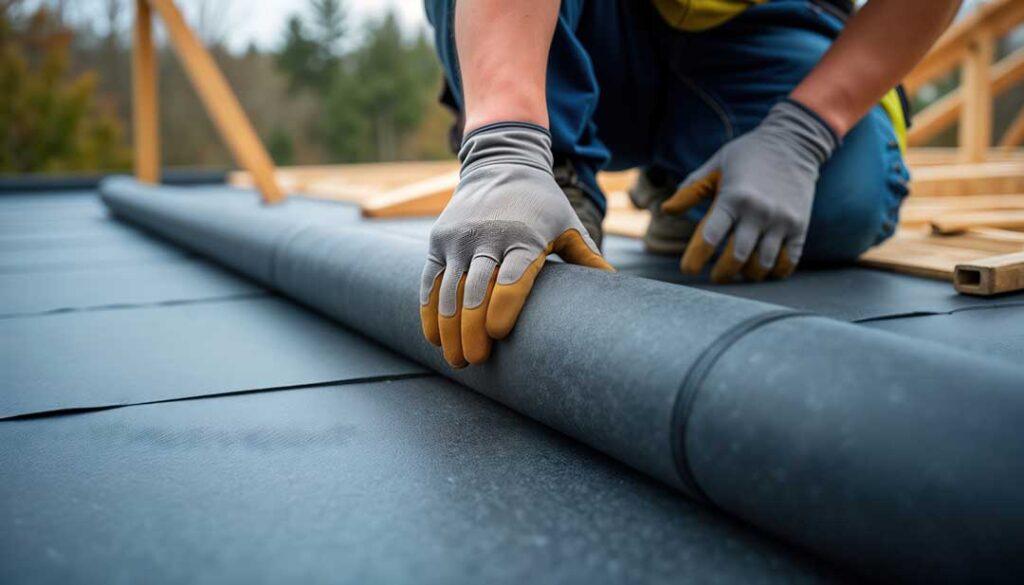
- Sound-deadening underlayment: Special membranes or mats can be added between the metal panels and roof decking during re-roofing or repairs.
- Additional attic insulation beneath metal roofing helps buffer the noise.
- Sometimes, lightweight foam can be retrofitted beneath the panels, but this is more common during replacement rather than on an existing roof.
These steps can make metal roofs in the area much quieter during heavy rains, making indoor spaces more comfortable.
Does the Roof Decking Material Matter?
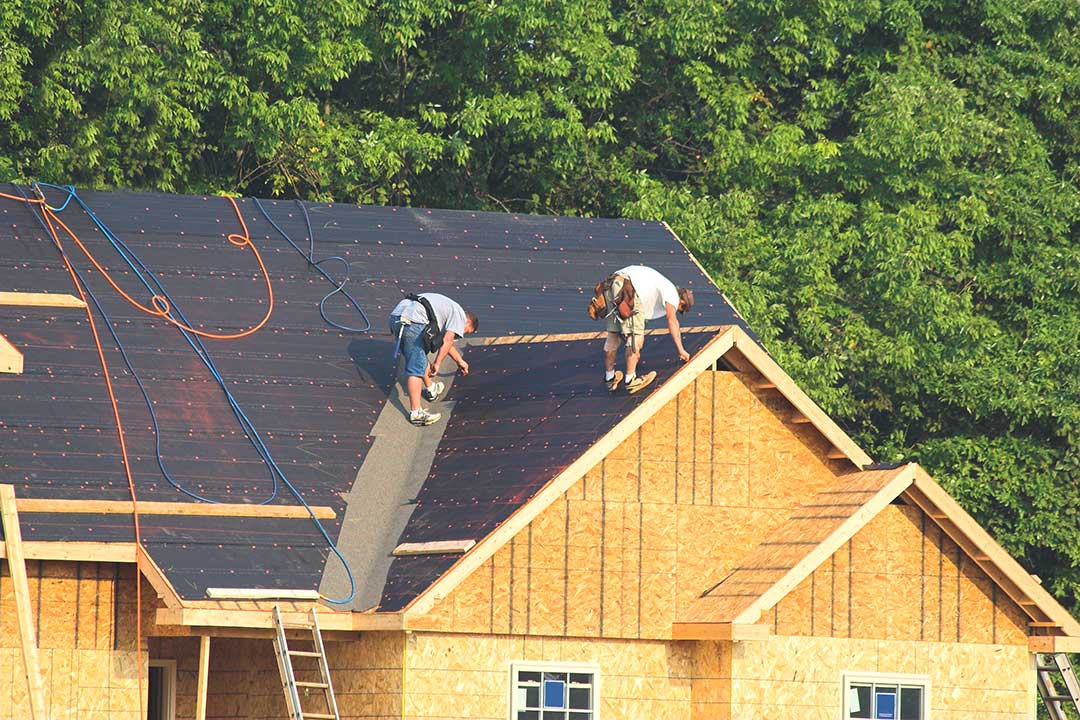
Yes, the type and thickness of the roof decking—a layer beneath the outer roofing—play a big role in overall noise levels. Plywood or oriented strand board (OSB) is standard in most local homes, but thicker decking helps reduce vibrations and sound transmission.
If an opportunity arises during repairs or major updates, consider using a thicker roof deck for added noise control. Ensuring there are no large air gaps or loose boards also prevents echo effects that can amplify rain noise.
Will Changing Ceiling Materials Make a Difference?
For living spaces directly below the roof, especially in homes with cathedral ceilings or finished attics, ceiling materials can impact how much sound filters through.
- Drywall ceilings absorb more sound than wood paneling or exposed beams.
- Adding a second layer of drywall or using acoustic panels designed for residential use can help.
- In some spaces, acoustic ceiling tiles may provide a practical solution, especially if noise is an ongoing concern.
This approach can be particularly helpful in older homes around the city center, where original ceilings may not have been designed with modern noise standards in mind.
Can Plantings or Exterior Features Reduce Rain Noise?
While not as common, some homeowners in Glens Falls choose to install living roofs, mossy surfaces, or rooftop gardens. These add a natural sound barrier and absorb some of the rainfall noise, but require more maintenance and specific roof structures to support extra weight.
Even large overhanging trees can somewhat muffle the initial impact of rain, though they may introduce other maintenance challenges such as leaf buildup in gutters.
Are There Common Misconceptions About Making Roofs Quieter?
Many residents think all metal roofs are unbearably noisy or that adding one quick fix—like a thick attic rug—will stop rain noise entirely. In reality, effective noise reduction usually combines better insulation, careful material choices, and sometimes structural updates. The focus should be on the whole roof and attic assembly, not just visible features.
Some believe that routine maintenance alone will quiet their roof, but unless repairs address gaps, loose flashing, or underlayment, noise issues typically persist.
What Should Local Residents Prioritize for a Quieter Home?
Start by assessing attic insulation, as this provides a practical and energy-efficient path toward reducing rain sound. If choosing new roofing in the city, prioritize materials with good acoustic properties and combine them with appropriate underlayment.
For older homes, check that ceilings, attic floors, and roof decks are free of gaps and are sufficiently insulated. Simple DIY upgrades—like weatherstripping attic access hatches or sealing vent penetrations—can also cut down on noise.
Finally, consider personal comfort: For some, the sound of rain on the roof is relaxing. For others, especially in bedrooms or home offices, it’s helpful to review the above measures to achieve a quieter, more restful environment.
