
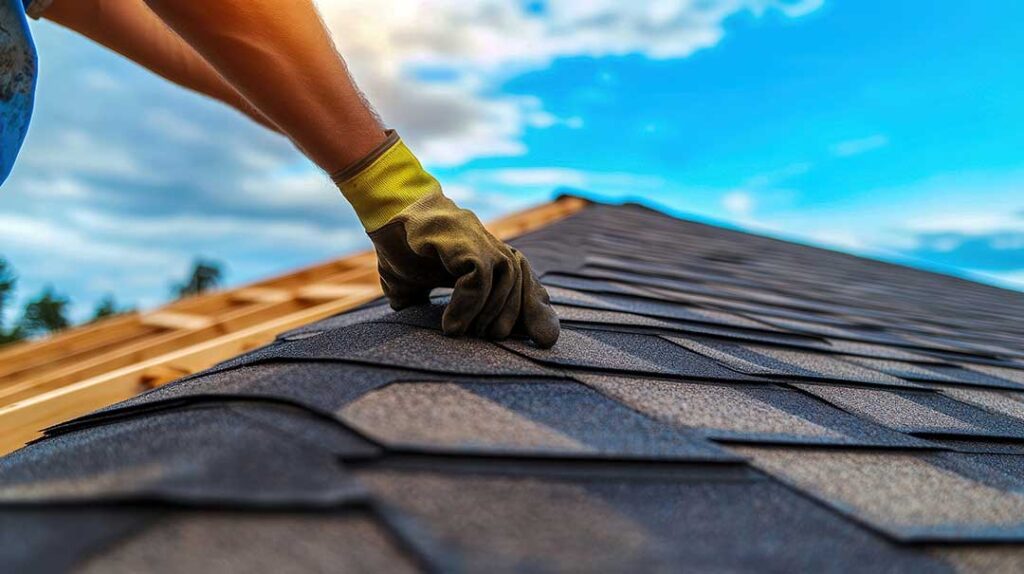
What does preventive roof maintenance actually involve?
Preventive roof maintenance is the practice of finding and addressing small roofing problems before they develop into leaks, structural damage, or premature roof replacement. It usually involves periodic visual inspections, clearing debris, checking drainage, examining roof penetrations, and documenting changes over time.
For homeowners in Glens Falls, NY, maintenance is especially relevant because roofs must handle repeated seasonal stress. Snow, freezing temperatures, ice formation, spring rain, summer heat, and falling leaves can affect roofing materials in different ways. A roof that appears sound from the ground may still have damaged flashing, loose shingles, blocked drainage, or moisture developing beneath the surface.
Maintenance is not the same as replacing a roof on a fixed schedule. A well-maintained roof may last longer, while an overlooked problem can shorten its useful life considerably.
Why can small roof problems become expensive?
Minor roof defects often allow water to enter gradually rather than producing an immediate, visible leak. Moisture may travel along roof decking, rafters, insulation, or interior wall cavities before appearing as a ceiling stain.
A small issue can lead to larger repairs involving:
- Roof decking softened by repeated moisture
- Mold or mildew in damp, poorly ventilated spaces
- Damaged insulation
- Stained or deteriorated ceilings and wall surfaces
- Rot around roof edges, skylights, chimneys, or vent openings
- Corrosion of metal components
- Damage to attic framing or interior finishes
The original problem may have been a cracked pipe boot, lifted shingle, failed sealant joint, or clogged gutter. Once water has moved into concealed areas, the repair becomes more complicated because the visible damage may not show the full extent of the problem.
Preventive maintenance creates an opportunity to correct the cause while the repair is still limited.
How does maintenance extend roof service life?
Roofing materials gradually lose flexibility and weather resistance. Shingles become more brittle, flashing joints can separate, and sealants may shrink or crack. Maintenance cannot stop normal aging, but it can reduce the additional damage caused by water, wind, ice, and poor drainage.
For example, keeping drainage paths clear helps prevent water from remaining against roof edges or backing up beneath roofing materials. Replacing a few damaged shingles can reduce the chance that wind or rain will expose a larger area. Maintaining flashing around penetrations helps prevent water from entering at locations that are more vulnerable than the open field of the roof.
The long-term value comes from preserving more of the roof’s original components. A roof that reaches the later part of its expected service life with intact decking, sound flashing, and limited moisture history may require fewer extensive repairs than a roof that has experienced years of unmanaged leaks.
What local weather conditions deserve the most attention?
Seasonal changes in the area can affect roofs in several distinct ways.
Winter snow and ice: Snow adds weight, while ice can form near roof edges when heat escapes through the attic. Ice buildup may block drainage and allow water to move beneath roofing materials. Proper attic insulation and ventilation can help manage uneven roof temperatures, but they should be evaluated as part of the overall building system.
Freeze-thaw cycles: Water expands when it freezes. Repeated freezing and thawing can widen small cracks, loosen materials, and stress flashing or masonry near roof intersections.
Spring rain: Heavy or persistent rain can expose drainage problems that were not obvious during winter. Spring is also a useful time to check for missing shingles, damaged metal, and signs of moisture in the attic.
Summer heat and sunlight: Heat can accelerate aging in exposed roofing materials and cause some sealants to dry or deteriorate. Attic ventilation problems may contribute to excessive heat buildup.
Leaves and seasonal debris: Organic debris can collect in valleys, gutters, and low-slope areas. When it stays wet, it can hold moisture against roofing materials and obstruct the flow of rainwater.
How often should a roof be checked?
A practical maintenance schedule includes a visual review at least twice a year, commonly in spring and fall, along with additional checks after major wind, hail, or heavy snow events.
A homeowner can safely observe some conditions from the ground, such as:
- Missing or visibly displaced shingles
- Sagging roof lines
- Large areas of moss or organic buildup
- Gutters pulling away from the roof edge
- Granules collecting heavily in downspouts
- Water stains on exterior walls or ceilings
- Damaged chimney, vent, or skylight flashing
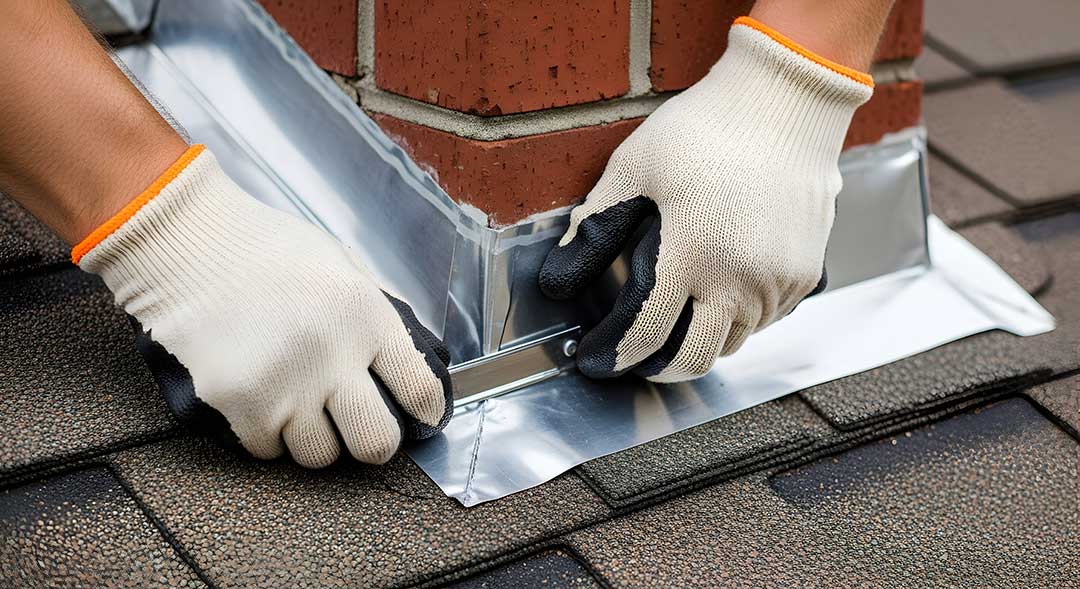
Roof surfaces become hazardous when wet, icy, steep, or unstable. Walking on a roof is not necessary for routine observation and can damage shingles or create a fall risk. Conditions that cannot be safely inspected from the ground should be evaluated using appropriate safety equipment and methods.
Which maintenance tasks provide the greatest long-term benefit?
The highest-value tasks are usually those that control water and identify changes early.
Keep drainage working
Gutters, downspouts, roof valleys, and drainage outlets should allow water to move away from the roof and foundation. Blockages can cause overflow, wet fascia boards, basement moisture, and erosion near the foundation.
Downspouts should discharge water far enough away from the building to prevent it from collecting beside the foundation. A gutter system can look intact while still having poor pitch, hidden blockages, or leaking joints.
Inspect roof penetrations
Chimneys, plumbing vents, exhaust vents, skylights, and other penetrations create openings in the roofing system. Their flashing and surrounding materials deserve close attention because they are common locations for leaks.
Sealant alone is not a permanent substitute for properly installed flashing. Repeatedly adding caulk over a failing joint may hide the symptoms without correcting the underlying problem.
Check the attic when possible
An attic inspection can reveal conditions that are not visible from outside. Look for damp insulation, darkened wood, rusted fasteners, daylight entering where it should not, or frost accumulation during cold weather.
Ventilation should not be treated as a simple matter of adding vents. The system must balance intake and exhaust while limiting air leakage from the living space. Bathroom and kitchen exhaust should discharge outdoors rather than into the attic.
Record repairs and observations
A simple maintenance record can include inspection dates, photographs, storm events, repairs, and areas that need continued observation. This information helps identify whether a condition is stable or worsening and can be useful when evaluating the remaining service life of the roof.
Does preventive maintenance save money?
Preventive maintenance does not eliminate roofing expenses, but it can make them more predictable and reduce the chance of sudden, extensive damage. The financial value comes from addressing localized problems before they affect decking, insulation, framing, ceilings, or interior belongings.
Maintenance also supports better planning. If a roof is aging but still performing properly, documented inspections may give the household time to budget for eventual replacement. Without that information, a homeowner may discover the need for major work during a leak, winter storm, or other inconvenient event.
The savings are not always visible because the damage that would have occurred never develops. That is the central long-term benefit: preserving the roof system, protecting the building beneath it, and allowing necessary repairs to be handled before they become emergencies.
When is a roof problem urgent?
Some conditions should not be postponed. Active interior leaking, a visibly sagging roof, exposed decking, large areas of missing roofing, water near electrical fixtures, or damage after a severe storm can indicate a serious risk to the building or occupants.
If water is entering near electrical wiring or fixtures, avoid contact with wet areas and address the immediate safety concern first. Severe structural damage, unsafe roof access, and conditions involving ice or high winds require specialized evaluation rather than an attempt to inspect the roof personally.
Routine care is most effective when it is treated as ongoing building maintenance—not as a response only after a ceiling stain appears.
