
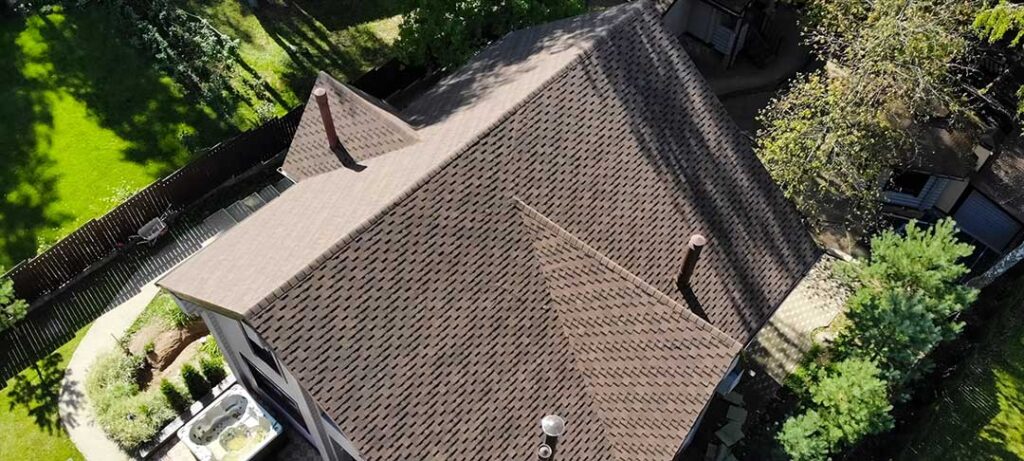
What does a cool roof rating actually measure?
A cool roof rating describes how a roofing surface responds to sunlight and heat. It does not simply mean that the roof is light-colored, new, or comfortable to touch. The rating is based mainly on solar reflectance and thermal emittance, two properties that help explain how hot a roofing material may become in direct sun. ([coolroofs.org](https://coolroofs.org/resources/home-and-building-owners?utm_source=openai))
This information can be useful for homeowners comparing roofing materials, especially when evaluating attic temperatures, summer cooling needs, roof color, and long-term performance. In Glens Falls, seasonal conditions also matter because a roof must function through warm sunny periods as well as snow, freezing temperatures, ice, and repeated moisture changes.
What is solar reflectance?
Solar reflectance is the portion of sunlight a roof reflects away from its surface. It is expressed as a decimal between 0 and 1.
For example:
- A reflectance of 0.80 means the surface reflects approximately 80% of incoming solar energy.
- A reflectance of 0.20 means it reflects approximately 20%.
- The remaining energy is absorbed by the roof.
Higher solar reflectance generally helps a roof stay cooler in direct sunlight. This is why white or highly reflective roofing materials often have lower surface temperatures than dark materials under similar conditions. However, color alone does not tell the entire story. Some darker roofing products are designed with reflective pigments, while some light-colored surfaces may have modest performance depending on their composition and age. ([coolroofs.org](https://coolroofs.org/resources/home-and-building-owners?utm_source=openai))
What is thermal emittance?
Thermal emittance measures how effectively a surface releases absorbed heat as infrared radiation. A material with high thermal emittance can give off heat more easily after absorbing sunlight.
A roof with both high solar reflectance and high thermal emittance is generally more effective at limiting heat buildup. A surface with high reflectance but low emittance may still perform reasonably well, but it may retain more of the heat it absorbs. ([coolroofs.org](https://coolroofs.org/resources/home-and-building-owners?utm_source=openai))
Thermal emittance is not the same as insulation. It describes the outer roofing surface, while insulation helps slow heat transfer between the roof and the living space. A highly rated roof can still allow uncomfortable attic conditions if the attic lacks adequate insulation, ventilation, or air sealing.
What is the Solar Reflectance Index?
The Solar Reflectance Index, or SRI, combines solar reflectance and thermal emittance into one calculated value. It compares a roofing surface with reference black and white surfaces under standard conditions.
SRI values commonly range from 0 to 100, although unusual materials can score below 0 or above 100. Because SRI is calculated rather than directly measured, it should be viewed as a convenient summary—not a replacement for reviewing the individual reflectance and emittance values. ([coolroofs.org](https://coolroofs.org/resources/home-and-building-owners?utm_source=openai))
When comparing products, it is useful to examine:
- Initial solar reflectance
- Aged or weathered solar reflectance
- Initial thermal emittance
- Aged thermal emittance
- SRI, when provided
- Whether the rating applies to a steep-slope or low-slope roof
Does a CRRC rating mean a roof is automatically “cool”?
No. A listing from the Cool Roof Rating Council, or CRRC, means the product’s radiative properties have been tested and reported through the organization’s rating program. It does not necessarily mean that the product meets a particular building code, incentive requirement, or definition of a “cool roof.” The CRRC does not set one universal minimum reflectance or emittance value for every rated product. ([coolroofs.org](https://coolroofs.org/programs/roof-rating-program?utm_source=openai))
This distinction is easy to miss. A product may have a rating label without being the best choice for every roof, climate, slope, or building design. Requirements can vary by jurisdiction and by roofing application. A rating provides comparable technical information; it does not make the decision by itself.
Why should homeowners look at aged ratings?
New roofing materials are usually cleaner and may reflect more sunlight than they will after years of exposure. Dust, pollen, biological growth, weathering, and surface changes can affect performance.
CRRC listings may provide both initial and three-year aged values. The aged figures can offer a more realistic indication of how the surface performed after outdoor exposure. For a homeowner comparing long-lasting roofing materials, the aged numbers may be more useful than the initial figures alone. ([coolroofs.org](https://coolroofs.org/resources/home-and-building-owners?utm_source=openai))
Aged performance does not predict the exact condition of every roof. Roof pitch, surrounding trees, drainage, maintenance, snow and ice exposure, and local weather patterns can all influence how a surface changes over time.
Can a cool roof reduce winter heating performance?
A more reflective roof may absorb less solar heat during sunny winter conditions. That can reduce some passive warming of the roof assembly, which is one reason cool-roof decisions should consider the entire year rather than focusing only on summer.
For homes in Glens Falls, the practical question is usually not whether a roof should be as reflective as possible. It is whether the roofing material, attic insulation, ventilation, air sealing, roof color, and household energy use work well together through both heating and cooling seasons. The Department of Energy notes that the energy effect of a cool roof depends on the balance between reduced cooling loads and possible changes in heating loads. ([energy.gov](https://www.energy.gov/cmei/femp/purchasing-energy-efficient-cool-roof-products?utm_source=openai))
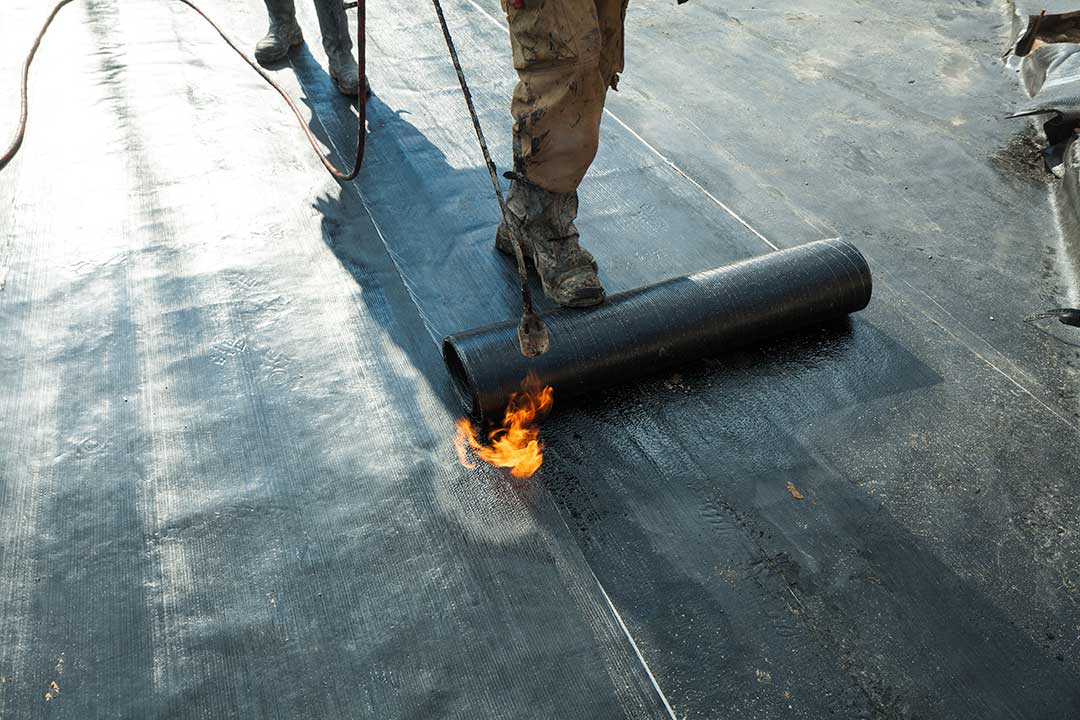
Are cool roof ratings more important for some buildings than others?
They can be more significant for buildings with:
- Low-slope roofs that receive strong sun exposure
- Large roof areas
- Limited attic insulation
- Upper floors that become hot in summer
- Mechanical cooling systems that run frequently
- Occupied spaces directly below the roof deck
For a typical pitched home, roof ratings are only one part of the comfort picture. A shaded roof, well-insulated attic, and properly sealed ceiling can reduce heat transfer even when the roof surface itself is not highly reflective.
What should be checked before comparing ratings?
Start by identifying the roofing material and slope. A rating for a single-ply membrane, coating, metal panel, or asphalt shingle may not translate directly to another product type.
Then review the technical information rather than relying on color names or general descriptions. Useful questions include:
- Is the product rated for steep-slope roofing, low-slope roofing, or both?
- Are the values initial, aged, or both?
- Is the listed SRI calculated from the reported values?
- Does the roof assembly have adequate insulation and ventilation?
- Could glare, appearance, snow shedding, or neighborhood design be concerns?
- Are there local code or program requirements that apply to the specific project?
A cool roof rating is best understood as one piece of evidence. It helps describe the roof surface, but it does not measure leak resistance, shingle durability, flashing quality, ventilation design, structural capacity, or installation workmanship.
What is the most common misconception?
The most common misconception is that a cool roof is simply a white roof. In reality, roof performance depends on measurable surface properties, weathering, material design, and the building beneath it.
For local homeowners, the soundest comparison is usually based on the full roof assembly: surface rating, expected aging, attic conditions, moisture control, snow and ice exposure, and the home’s heating and cooling pattern. That approach provides a more useful answer than choosing a material based on color alone.
