
What Is a Roof Cricket?
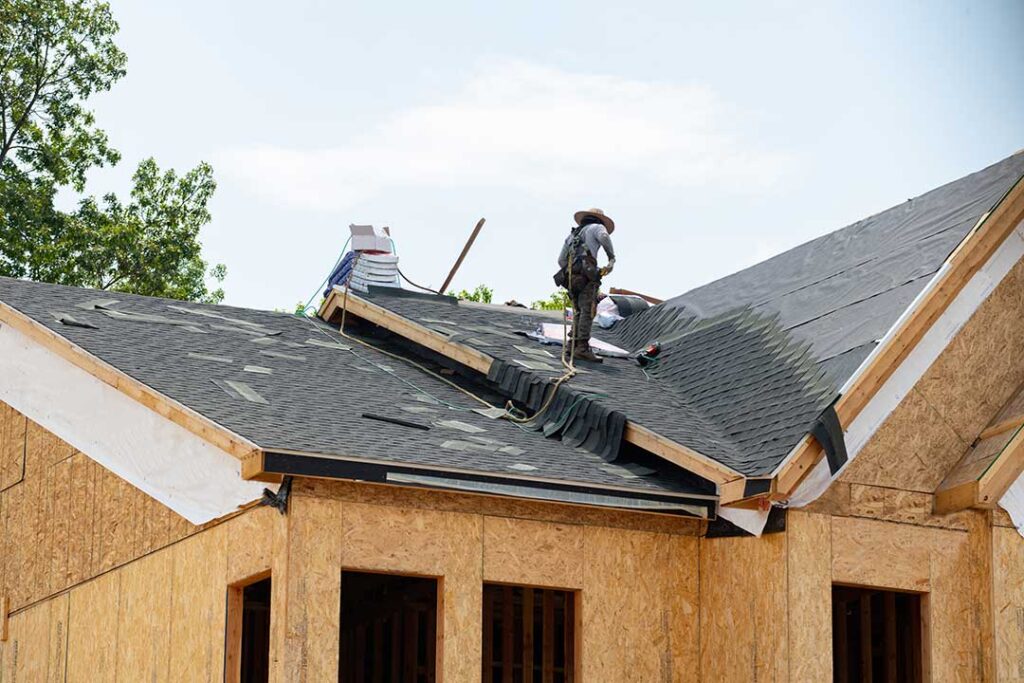
A roof cricket is a small, ridge-like structure, usually made of wood or metal and covered with roofing material, that is installed on the high side of a chimney or other vertical roof penetration. The main job of a cricket is to divert water around these obstacles so that it can drain safely off the roof.
On many homes in Glens Falls, roof crickets are most commonly found behind chimneys, where water and snow can easily collect. Without a cricket, water can pool in these spots, increasing the risk of leaks, rot, and ice dam formation.
Why Does a Roof Need a Cricket?
Crickets help prevent water and debris from accumulating in low spots around roof penetrations. In the climate of Glens Falls, where a mix of rain, snow, and freeze/thaw cycles puts roofs to the test, these small structures play a crucial role in maintaining a watertight roofing system.
Specifically, a roof cricket:
- Channels water away from the chimney or penetration and toward the roof’s natural drainage path.
- Reduces the risk of leaks and wood rot.
- Minimizes the chances of ice damming behind the chimney, which is a common issue during winter in upstate communities.
- Helps ensure the roof lasts longer by keeping vulnerable seams and joints dry.
Where Are Crickets Required or Recommended?
In many building codes—including those followed in Glens Falls—a cricket is required whenever a chimney is more than 30 inches wide (measured perpendicular to the slope). However, crickets can also be recommended for smaller obstructions or anywhere two roof surfaces meet and create a dead spot for water flow.
Local homes with steep slopes, low pitches, or complex rooflines are often designed with multiple crickets to tackle snowload and drainage challenges through the cold, wet seasons.
How Is a Roof Cricket Built?
A cricket’s design must suit both the building’s architecture and the specific roofing materials. It typically consists of:
- Framed wood or rigid insulation shaped to form a peak that diverts water
- Covered with roofing felt, ice and water shield, and the same shingles or metal panels as the main roof
- Flashing applied at seams to keep water out
Chimney crickets are often custom-built onsite to ensure a snug fit and proper waterflow, especially important for aging homes in Glens Falls that may have unique roof shapes or historic design features.
What Happens If You Don’t Have a Cricket?
Without a cricket, chimneys and roof obstructions are far more vulnerable to leak damage. In the variable weather of Glens Falls, allowing meltwater and rain to pool can quickly lead to:
- Water staining or leaks inside the home
- Rotted roof sheathing or rafters
- Deterioration of the chimney itself or the roofing material around it
- Accelerated damage from freeze/thaw cycles, where trapped water expands as it freezes, prying apart even well-built seams
Area households with mature trees should also note that leaves and needles tend to collect on roofs. Crickets can help prevent debris buildup in tight corners, making regular fall maintenance easier.
Do All Chimneys or Roof Structures Need a Cricket?
Not every penetration requires a cricket, but even small structures can benefit in the right circumstances. Some factors to consider:
- Chimney or obstruction width: Wider chimneys are more likely to need a cricket.
- Roof slope: The lower the pitch, the slower the water flow, which increases pooling risk.
- Climate: In the heavy-snow environment of Glens Falls, crickets are especially important.
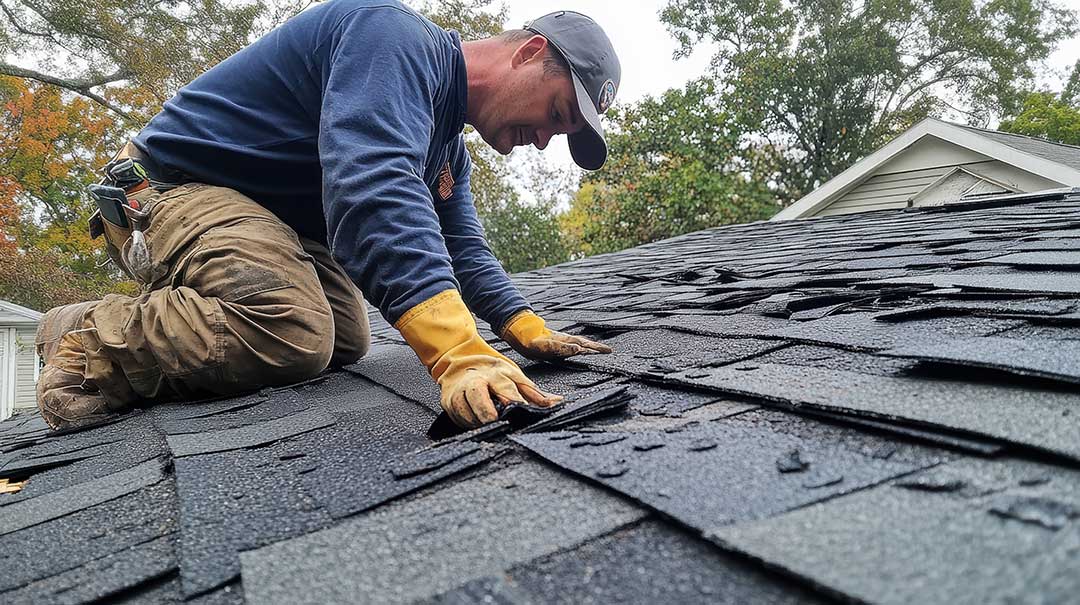
Some homeowners are surprised to learn that even modern, leak-resistant roofing materials can’t make up for poorly managed waterflow. Skipping a cricket can result in chronic, hard-to-diagnose leaks that cause hidden damage over time.
What Are Common Misconceptions About Roof Crickets?
A few myths persist among homeowners in Glens Falls:
- “My roof never had a cricket, and it’s fine.” Older homes often went decades without issues, but signs of water damage can be very slow to appear—especially in attics or behind walls.
- “All roofs shed water equally well.” Flat or low-slope roofs are far more vulnerable to pooling around chimneys, requiring more aggressive drainage solutions.
- “Metal flashing is enough by itself.” Although flashing is essential, it works best in combination with a cricket to prevent splash-back and pooling.
Maintaining and Inspecting Roof Crickets
Like the rest of a roof, crickets require periodic inspection. Key steps include:
- Checking for missing or damaged shingles or flashing on the cricket
- Clearing debris from behind the chimney or obstruction, especially after storms or leaf drop
- Watching for signs of leaks on interior walls or ceilings adjacent to chimney chases
Winter weather can sometimes dislodge cricket flashing or cause ice buildup behind a chimney. Glens Falls’ freeze/thaw cycles make late-winter and spring inspections especially critical.
Practical Considerations for Glens Falls Residents
Given the snowy, icy winters and seasonal rains common to Glens Falls, neglecting areas where water can collect—like the uphill side of a chimney—creates a long-term risk for both old and new homes.
Homeowners should:
- Familiarize themselves with their roof layout, noting where crickets might be present or needed.
- Pay special attention if re-roofing or making repairs—crickets are often best installed when other roof work is being done.
- Consider the advice of home inspectors or building officials, who may recommend crickets based on local experience with snow and drainage issues.
Ultimately, understanding the purpose and importance of crickets can help local residents protect their homes against avoidable water and weather damage, especially in a climate where effective drainage is essential for long-lasting roofs.
